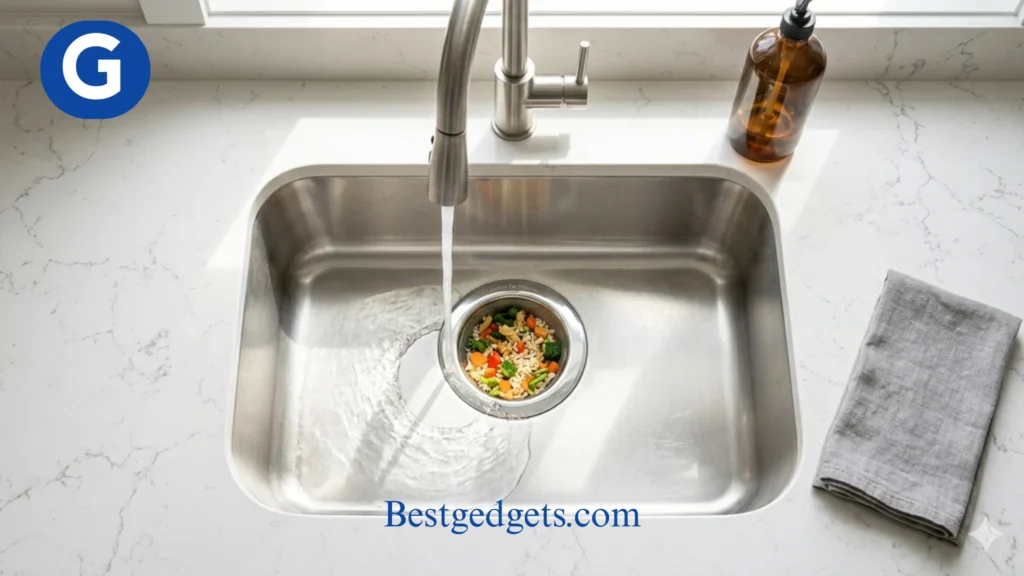
You’ve been unclogging your drain wrong this whole time, and your sink strainer is probably to blame.
Most people grab the cheapest strainer at the hardware store, shove it in the drain, and then wonder why their pipes back up six months later, why their kitchen smells like a swamp, and why they’re spending $150 on a plumber for something a $12 piece of metal should have prevented. The truth? Not all sink strainers are created equal, and picking the wrong one is costing you time, money, and sanity. Whether you’re sick of food scraps sneaking past into your pipes, tired of strainers that rust, pop out, or just never seem to fit right, this guide cuts through the noise. We tested and researched the best sink strainers on the market so you don’t have to.
What Is a Sink Strainer and Why Does It Matter?
A sink strainer is a small mesh or perforated insert that sits in your drain opening and catches food particles, debris, and hair before they enter your plumbing. It sounds simple, and it is, but the difference between a good one and a bad one shows up every single day when you’re cooking, washing dishes, or cleaning up after dinner.
A poor-quality strainer lets small food particles slip through, leading to slow drains, foul odors, and eventually, serious clogs that require chemical drain cleaners or a plumber. A great strainer traps everything it should, stays in place, is easy to clean, and lasts for years without rusting or warping.
Kitchen sink strainers differ from bathroom drain covers, though both serve similar functions. In the kitchen, you’re typically dealing with food waste, grease, and vegetable scraps. In the bathroom, it’s mostly hair and soap scum. The best strainer for your needs depends on your drain size, how you use your sink, and whether you have a garbage disposal.
The Best Sink Strainers: Our Top Picks
Best Overall: OXO Good Grips Silicone Sink Strainer

If you only buy one sink strainer in your life, make it this one. The OXO Good Grips Silicone Sink Strainer has earned its place at the top of virtually every best-of list for good reason. Made from flexible, food-safe silicone, it fits most standard drain openings (3.5 inches) and forms a soft seal that keeps it from sliding around when the water runs fast.
What sets it apart is the combination of a deep bowl design with small but effective holes that trap even fine pasta debris and coffee grounds. Cleaning it is dead simple; you just flip it inside out, and the debris falls right off. Unlike metal strainers that eventually rust or corrode, the silicone holds up beautifully over time, resists staining, and doesn’t scratch your sink basin.
It’s also dishwasher-safe, which is a bonus that sounds minor until you realize you’ve been hand-washing your strainer under running water like a chump for years. At around $10 to $12, it punches well above its price point.
Best Stainless Steel: Danco 10672 Stainless Steel Basket Strainer

For people who prefer metal over silicone, the Danco stainless steel basket strainer is the go-to choice. It features a fine mesh basket design that traps food particles with impressive efficiency while still allowing water to drain quickly. The strainer is made from 304 stainless steel, which is highly corrosion-resistant and built to last in a high-moisture environment like a kitchen sink.
It fits standard 3.5-inch drain openings and includes a rubber stopper so it can double as a drain plug when you need to fill the sink. The handle loop makes it easy to lift out for cleaning without getting your fingers wet. It’s sturdy, it’s attractive in a minimal stainless finish, and it doesn’t collect odors the way plastic can.
The one downside is that mesh strainers require a bit more cleaning attention than solid-bowl designs, since debris can get lodged in the weave. A quick brush under running water takes care of it, but it’s worth knowing before you buy.
Best for Garbage Disposals: InSinkErator SinkTop Switch Strainer

If you have a garbage disposal, you need a strainer that’s specifically designed to work alongside it. Standard strainers can interfere with disposal use or, worse, get sucked into the mechanism. The InSinkErator strainer is purpose-built for disposal sinks and features a removable stopper that gives you full access to the disposal when you need it while still catching debris during regular rinsing and washing.
It’s a snap-in design that’s compatible with most major disposal brands, and the stainless steel build means it can handle the heat and vibration that comes with regular disposal use. If your kitchen setup involves a garbage disposal, don’t improvise with a standard strainer — get one that’s actually designed for the job.
Best Budget Pick: LEKEYE Drain Hair Catcher/Shower & Bathtub Drain Cover

Don’t let the name fool you — LEKEYE makes a surprisingly versatile strainer that works well in both kitchen and bathroom sinks at a price point that makes it hard to pass up. At under $7, it’s a no-brainer addition to any sink, and the fine mesh catches hair, food particles, and debris with equal effectiveness. It’s made from rust-resistant stainless steel with small silicone feet on the bottom to hold it in place.
It won’t win any design awards, and the fit isn’t as snug as a custom-sized strainer, but for renters, secondary sinks, or anyone who just wants something that works without overthinking it, this is your pick.
Best Drain Strainer for Deep Sinks: Kohler Stainless Sink Strainer Basket
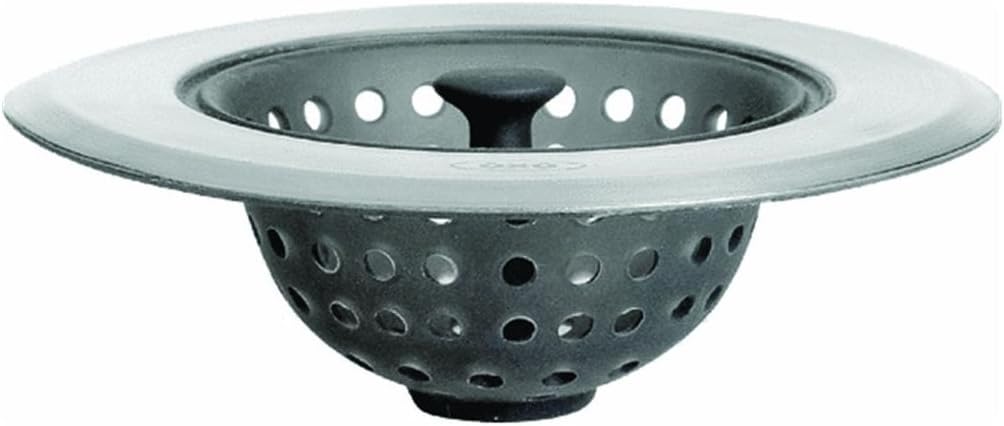
Kohler is a name associated with quality plumbing hardware, and their sink strainer basket lives up to that reputation. It’s designed primarily for deep kitchen sinks and features a taller basket than most standard strainers, which means it holds more debris before you need to empty it. If you cook frequently and generate a lot of food scraps, that added capacity makes a real difference in how often you’re stopping mid-dishwashing to empty the strainer.
The stainless finish is elegant and matches most modern kitchen hardware, and the rubber gasket around the rim creates a secure, leak-free seal. It’s slightly more expensive than budget alternatives at around $15 to $20, but the build quality justifies every cent.
Read more:
What to Look for When Buying a Sink Strainer
Drain Diameter
The single most important factor is fit. Most kitchen sinks have a 3.5-inch drain opening, but some older sinks and bathroom sinks vary. Measure your drain before buying, or look for a strainer that explicitly lists compatibility with your drain size. A strainer that doesn’t fit properly won’t catch debris effectively and may move around under the water pressure, defeating the entire purpose.
Material: Silicone vs. Stainless Steel vs. Plastic
Silicone strainers are flexible, grippy, rust-proof, and easy to clean. They’re the best all-around choice for most kitchens. Stainless steel is more rigid and aesthetically sleek, with excellent durability if you choose a high-grade steel like 304. Avoid plastic strainers entirely — they crack, stain, absorb odors, and typically don’t last more than a year or two before needing replacement.
Mesh Fineness
The fineness of the strainer’s holes or mesh determines what it catches and how fast water drains through it. Very fine mesh catches almost everything, including coffee grounds and small rice grains, but drains more slowly and needs more frequent cleaning. Coarser mesh drains faster but lets smaller particles through. Most kitchen users are best served by a medium-fine mesh that balances drainage speed with debris capture.
Depth and Capacity
Deeper basket strainers hold more before you need to empty them, which is a convenience factor that matters if you cook frequently. Shallower designs are easier to remove and clean quickly, but fill up faster. Think about how often you’re willing to stop and empty the strainer, and choose accordingly.
Ease of Cleaning
This is underrated. A strainer you hate cleaning is a strainer you’ll stop cleaning, which means debris buildup, odors, and eventually drain problems. Silicone flip-and-rinse designs are the easiest. Fine mesh stainless steel baskets are slightly more involved. Look for dishwasher-safe options if that matters to you.
Garbage Disposal Compatibility
If you have a garbage disposal, check that your strainer is compatible before purchasing. Some standard strainers block the disposal throat and create problems. Purpose-built disposal strainers solve this with removable stoppers or open-center designs.
How Often Should You Clean Your Sink Strainer?
In a kitchen sink that sees regular use, you should empty and rinse your strainer after every dish-washing session or at least once a day. A deeper clean — with soap, a small brush, or the dishwasher — should happen once a week. Neglecting it leads to bacterial growth, unpleasant smells, and the kind of slow, creeping clog that seems to appear out of nowhere but is actually weeks in the making.
For bathroom sinks and showers, clean the strainer after every one to two uses if hair accumulation is a problem, or weekly if it’s light-duty use. The key rule across the board: don’t let organic material sit in the strainer for more than a day or two.
Sink Strainer FAQs
Can I use a sink strainer with a garbage disposal?
Yes, but you need a strainer that’s designed for it. Look for models with a removable stopper so you can access the disposal without removing the entire strainer.
What size strainer fits my kitchen sink?
Most kitchen sinks have a 3.5-inch drain opening. Bathroom sinks are typically smaller, around 1.5 to 2 inches. Measure before buying.
Will a strainer slow down my drain?
A well-designed strainer with appropriate mesh fineness should have minimal impact on drainage speed. If your drain feels sluggish with the strainer in place, the mesh may be too fine for the volume of water your sink handles, or the strainer may already be partially clogged.
How long do sink strainers last?
A quality silicone or stainless steel strainer should last several years with proper cleaning. Plastic strainers rarely last more than 12 to 18 months before degrading.
Final Verdict
The best sink strainer is the one that fits your drain, suits your cooking habits, and that you’ll actually keep clean. For most people, the OXO Good Grips Silicone Strainer is the clear winner — it’s durable, effective, easy to maintain, and priced fairly. If you prefer stainless steel, the Danco basket strainer is an excellent alternative. Garbage disposal users should go straight for the InSinkErator option, and budget shoppers can count on LEKEYE to deliver real performance without the premium price.
The bottom line: a $10 to $20 strainer, maintained consistently, will save you hundreds in plumber bills and hours of aggravation. It’s one of the cheapest, highest-return upgrades in any home.