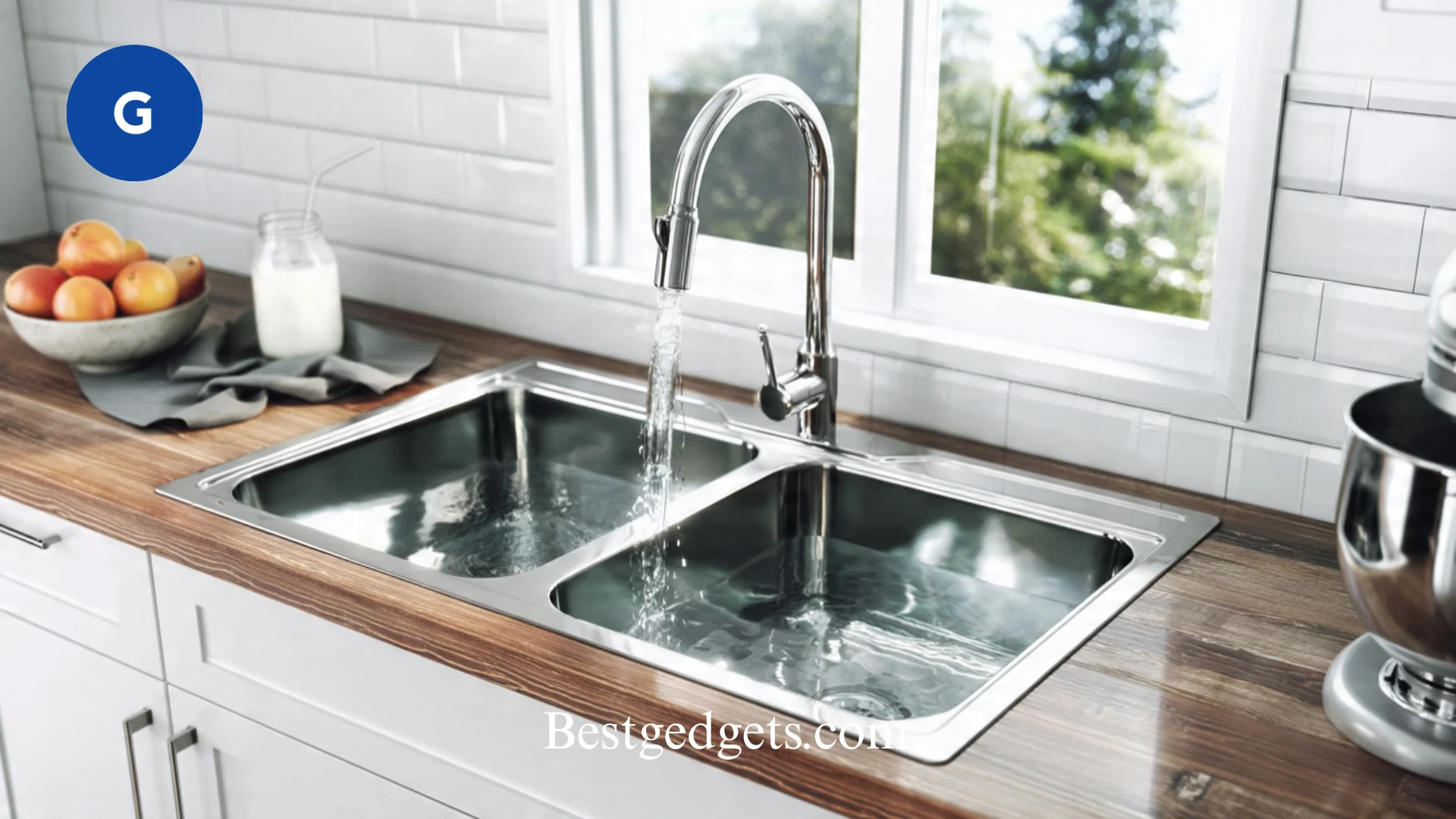
Choosing a kitchen sink sounds simple. You pick a size, pick a finish, done. But anyone who has lived with the wrong sink knows it is one of those decisions that quietly punishes you every single day. Cold water sprays your shirt. A basin so shallow that you cannot rinse a pot. A drain that sounds like a small aircraft.
This article covers the 5 best kitchen sinks available right now, real products, real performance, and honest trade-offs. No fluff, no made-up ratings.
5 Best Kitchen Sinks list
The 5 Best Kitchen Sinks details review
1. Kraus Standart PRO — Best Overall Stainless Steel Kitchen Sink
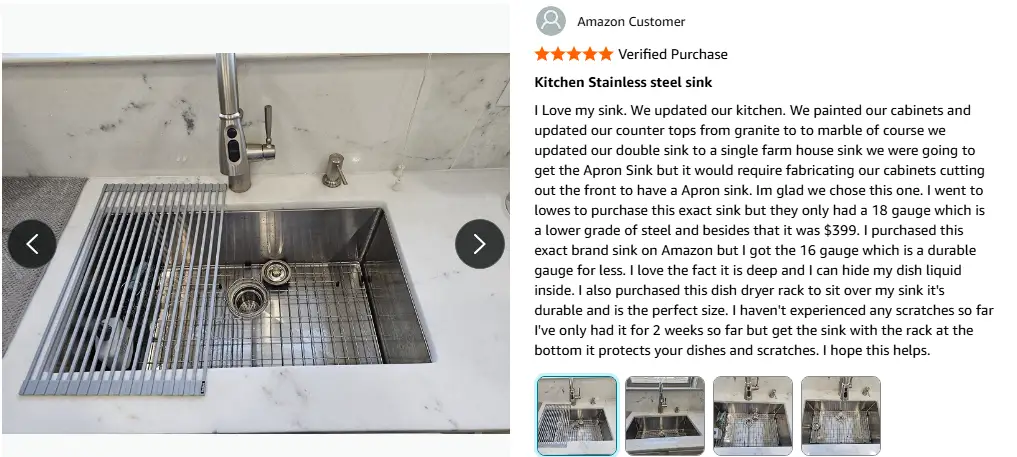
If you want a stainless steel kitchen sink that simply does its job without drama, the Kraus Standart PRO belongs at the top of your list.
Kraus builds this sink from 16-gauge T-304 stainless steel, which is the same grade used in commercial kitchen environments. It resists corrosion, handles acidic foods without staining, and holds its finish through years of daily use. The thick gauge also means it absorbs noise better than cheaper sinks, and Kraus adds an undercoating that further deadens sound.
The single large bowl measures 30 inches wide, which is enough to handle a standard hotel pan or a large roasting dish. The bottom is slightly sloped toward the drain, so water does not pool. That is a small detail, but after a few weeks of not staring at a puddle, you appreciate it.
Mount type: Undermount
Material: 16-gauge T-304 stainless steel
Configuration: Single bowl
Best for: Home cooks who prioritize function over aesthetics
The price point sits in the mid-range, making it accessible without cutting corners on quality. Kraus is a US-based brand with strong warranty support, which matters if you ever have an installation issue.
2. Blanco Diamond — Best Composite Granite Kitchen Sink
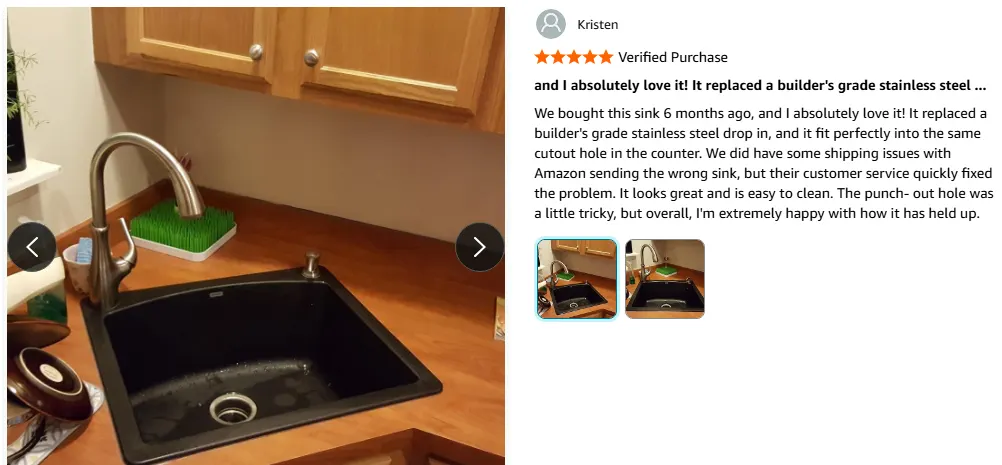
The Blanco Diamond is not a stainless steel sink. It is made from SILGRANIT, which is Blanco’s proprietary composite material consisting of 80% granite stone and an acrylic binder. The result is a sink that looks beautiful, resists heat up to 536°F (280°C), and shrugs off most scratches.
Composite granite sinks have been growing in popularity because they hit a sweet spot between aesthetics and practicality. The matte finish hides water spots and minor surface marks far better than polished stainless steel. If you have ever wiped down a stainless sink six times and still seen fingerprints, you understand the appeal.
The Blanco Diamond comes in over a dozen colors, which gives you real design flexibility. The Anthracite (dark charcoal) finish, in particular, photographs well and holds up in real kitchens without looking faded after a year.
Mount type: Undermount or topmount
Material: SILGRANIT composite granite
Configuration: Available in single and 1.75 bowls
Best for: Kitchens where appearance matters as much as performance
3. Kohler Whitehaven — Best Farmhouse Kitchen Sink
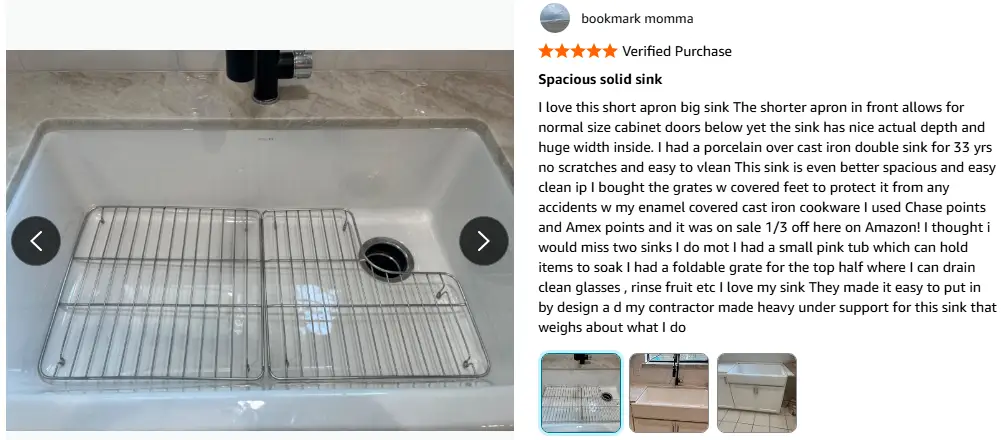
The farmhouse kitchen sink category has one name that keeps coming up in professional kitchen design circles, and that name is Kohler Whitehaven.
This is an apron-front cast-iron sink. The exposed front panel sits flush against your cabinets, creating that deep, architectural look that you see in every kitchen renovation magazine. But the Whitehaven is not just aesthetically pleasing — it is built to last multiple decades.
Cast iron sinks from Kohler start with a heavy cast iron core and are coated with a thick porcelain enamel finish. The finish resists chipping under normal use and stays glossy without demanding constant polishing. Cast iron also retains heat well, which means hot water stays warm longer in the basin.
Mount type: Farmhouse / apron-front
Material: Cast iron with porcelain enamel
Configuration: Single bowl
Best for: Traditional and transitional kitchen designs, high-traffic households
The weight is significant; the Whitehaven weighs roughly 100 pounds, depending on the size you choose. Cabinet reinforcement is not optional here; it is essential. Budget for professional installation if you are not experienced with structural cabinet work.
The price is on the higher end, but cast-iron farmhouse sinks from reputable brands routinely outlast multiple kitchen remodels.
4. Ruvati Workstation Sink — Best for Serious Home Cooks
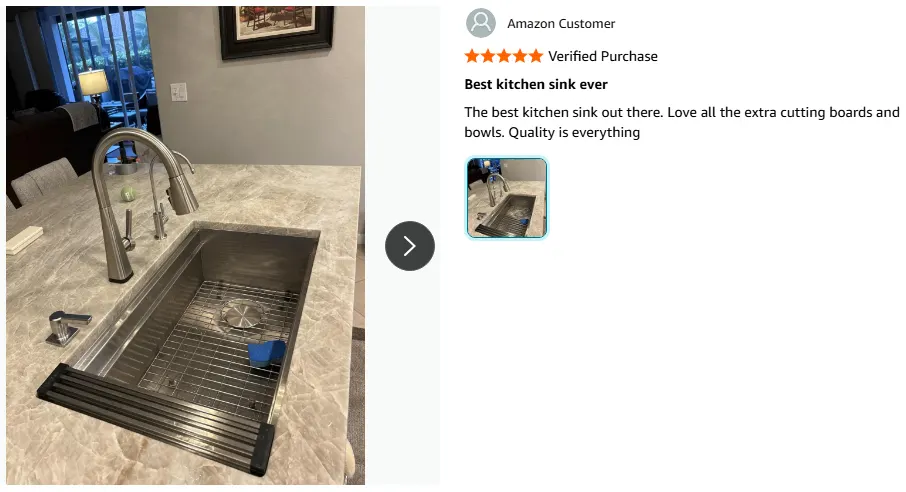
The concept behind a workstation sink is smart. Instead of a plain basin, the sink comes with accessories a cutting board, a colander, and a drying rack, all designed to sit on a ledge built into the rim of the sink.
The Ruvati Workstation Sink executes this concept well. The ledge is recessed into the sink’s top edge, which means the cutting board and colander slide without wobbling. You can prep vegetables directly over the basin, rinse them, and drain them without moving a single item off the counter. For small kitchens, especially, this is a genuine space saver.
Ruvati builds this sink from 16-gauge stainless steel with a bottom grid included. The grid protects the sink floor from scratching and doubles as a drying surface. Everything fits together with that satisfying kind of logic where someone clearly thought about actual cooking before finalizing the design.
Mount type: Undermount
Material: 16-gauge stainless steel
Configuration: Single bowl with integrated ledge
Best for: Compact kitchens, meal-prep enthusiasts, efficiency-focused cooks
The included accessories add genuine value. Buying a cutting board, colander, and drying rack separately would cost nearly as much as the sink itself.
5. Elkay Crosstown — Best Budget Double Bowl Kitchen Sink
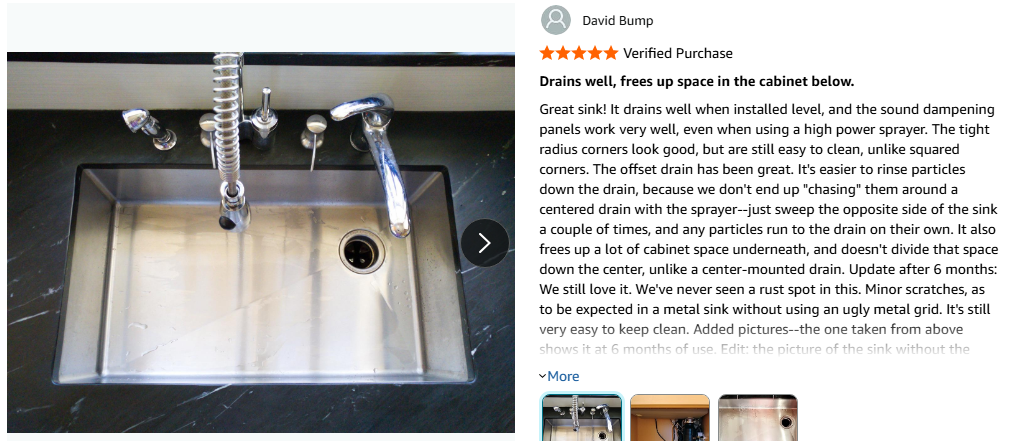
Budget kitchen sinks tend to disappoint in one of two ways: they dent easily, or they sound like a percussion instrument. The Elkay Crosstown avoids both problems better than most sinks in its price range.
Elkay is one of the oldest sink manufacturers in the United States, operating since 1920. The Crosstown uses 18-gauge stainless steel, which is thinner than the 16-gauge options above. Elkay compensates with sound-absorbing pads attached to the underside of the sink. The result is not dead silent, but it is far quieter than bare 18-gauge steel.
The double bowl configuration divides the sink into two equal basins. One side handles washing, while the other handles rinsing or food prep. For households that wash dishes by hand regularly, this workflow makes practical sense.
Mount type: Undermount
Material: 18-gauge stainless steel
Configuration: Double bowl (equal divide)
Best for: Budget-conscious buyers, households that hand-wash dishes frequently
It is worth noting that an equal-divide double bowl means neither basin is large enough to submerge a big pot or baking sheet. If you cook frequently with large cookware, a single-bowl sink will serve you better.
Read more: Best Carbon Steel Pans in 2026: Ranked, Tested & Reviewed
Best Sink Strainers Tested and Reviewed: Our Top Picks for 2026
Comparison at a Glance
| Sink | Material | Mount | Configuration | Best For |
|---|---|---|---|---|
| Kraus Standart PRO | 16-gauge stainless | Undermount | Single bowl | Best overall |
| Blanco Diamond | Composite granite | Under/Topmount | Single or 1.75 bowl | Design-focused kitchens |
| Kohler Whitehaven | Cast iron/porcelain | Farmhouse apron | Single bowl | Traditional style, durability |
| Ruvati Workstation | 16-gauge stainless | Undermount | Single bowl + ledge | Serious home cooks |
| Elkay Crosstown | 18-gauge stainless | Undermount | Double bowl | Budget buyers |
Why Your Kitchen Sink Deserves More Thought Than You Give It
The average person uses their kitchen sink over 1,000 times per year. That puts it ahead of almost every other appliance in the kitchen in terms of daily contact. Yet most people spend more time picking a faucet finish than the sink itself.
A good kitchen sink should handle three things well: it should drain fast, resist staining and denting, and not become a noise machine every time you drop a spoon in it. Sounds basic. It is not easy to get right.
The five sinks below represent different materials, styles, and price points. One of them likely fits your kitchen perfectly.
What to Look for in a Kitchen Sink
Before diving into specific picks, here are the factors that actually matter.
Gauge (for stainless steel): Gauge measures the thickness of the steel. Lower gauge = thicker metal. A 16-gauge stainless steel sink outperforms an 18-gauge sink in noise reduction and dent resistance. This one number makes a real difference.
Mount type: Undermount sinks sit below the counter, giving you a clean surface to wipe crumbs directly into the basin. Drop-in (topmount) sinks rest on top of the counter and are easier to install. Farmhouse sinks have an exposed front apron and require cabinet modification.
Bowl configuration: Single bowl sinks give you more space for large pots. Double bowl sinks let you separate washing and rinsing, though they split your workspace. Neither is universally better — it depends entirely on how you cook.
Material: Stainless steel is the most popular choice for a reason. It is durable, affordable, and easy to clean. Composite granite adds aesthetic weight and hides scratches better. Cast iron is heavy but nearly indestructible. Each material behaves differently over time.
Materials Compared: Stainless vs. Composite vs. Cast Iron
Stainless Steel remains the dominant choice in residential kitchens for good reason. It is lightweight, hygienic, and compatible with nearly every counter material. The main weakness is noise; a thin stainless sink without proper undercoating turns into an echo chamber. Always check the gauge and ask whether sound-dampening is included.
Composite Granite handles everyday abuse quietly. It will not ring when you drop silverware in it. It handles hot pans better than stainless steel. The trade-off is weight and cost. A quality composite sink costs more upfront, but the surface performance justifies the price for many homeowners.
Cast Iron with Porcelain Enamel is the oldest material on this list and still one of the most respected. A well-maintained cast-iron sink can outlast everything else in your kitchen. The porcelain surface does chip if you drop something heavy and sharp on it, and that chip can expose the iron underneath to rust if left unsealed. Beyond that specific vulnerability, cast iron sinks age gracefully.
Installation Tips Worth Knowing
Installing a kitchen sink is not always a DIY project, but knowing the basics helps you avoid expensive surprises.
Undermount installation requires a solid countertop. Laminate countertops cannot support an undermount sink reliably over time. If your counters are laminate, a drop-in sink is a better fit.
Farmhouse sinks need cabinet modification. The apron-front design requires removing the front face of your sink base cabinet. This is a real structural change. Hire a contractor or a skilled finish carpenter if you are not confident with cabinet work.
Check your cabinet dimensions before ordering. Sink dimensions listed by manufacturers refer to the sink itself, not the required cabinet cutout. Read the installation template carefully before cutting anything.
Hire a licensed plumber for new drain connections. Connecting to existing plumbing is one thing. Modifying drain lines is another. Most cities require permitted plumbing work for significant changes.
Frequently Asked Questions
What is the best material for a kitchen sink?
Stainless steel is the most practical all-around choice. It is durable, lightweight, and easy to clean. If aesthetics matter most or you want better noise performance, composite granite is worth the extra investment. Cast iron offers the longest lifespan of any material but demands proper cabinet support due to its weight.
What gauge stainless steel should I look for in a kitchen sink?
Always aim for 16-gauge stainless steel over 18-gauge. The lower the gauge number, the thicker the metal. A 16-gauge sink resists dents better and transmits less noise. Some premium commercial-grade sinks use 14-gauge, which is thicker still, but that is generally unnecessary for home use.
Is a single-bowl or double-bowl kitchen sink better?
Single-bowl sinks work better for cooks who use large pots, pans, and baking sheets. Double bowl sinks work better for households that hand-wash dishes and want to separate washing from rinsing. Neither is universally better it depends on your cooking habits.
What is a farmhouse kitchen sink?
A farmhouse sink, also called an apron-front sink, features an exposed front panel that extends past the edge of the counter. It has a deeper basin than most standard sinks and requires modification of the sink base cabinet during installation. The style originated in working farmhouses where large basins were necessary for heavy-duty use.
How do I prevent my stainless steel kitchen sink from scratching?
Use a bottom grid to protect the floor of the basin from direct contact with cookware. Rinse and dry the sink after use to prevent mineral deposits from hard water. Avoid steel wool or abrasive cleaning pads. A small amount of mineral oil applied periodically can help maintain the finish and resist water spots.
What is a workstation sink?
A workstation sink features a built-in ledge along the top interior of the basin. This ledge holds accessories like a cutting board, colander, and drying rack. The design allows you to use the sink as an extended prep surface. Workstation sinks are particularly useful in smaller kitchens where counter space is limited.
Can I install a kitchen sink myself?
Drop-in (topmount) sinks are generally accessible for experienced DIYers. Undermount and farmhouse installations require more skill and in some cases, structural modifications. If you are connecting to existing drain plumbing and supply lines without modifying them, a careful DIYer can manage the job. If you need to move or extend plumbing, hire a licensed plumber.
Final Thoughts
Every sink on this list solves the same fundamental problem: it holds water, drains waste, and handles daily kitchen life, but each does it differently. The Kraus Standart PRO is the default recommendation for most households. It performs without fuss and ages well. The Blanco Diamond earns its place for anyone who has grown tired of polishing stainless steel every time a guest comes over.
The Kohler Whitehaven is a long-term investment that pays off over decades, not months. The Ruvati Workstation is the intelligent choice for small-space cooking. And the Elkay Crosstown proves that a modest budget does not mean living with an embarrassing sink.
Pick based on your actual cooking habits and your kitchen’s structural realities. The best kitchen sink is the one that fits your workflow, your space, and your counter material, not the one with the prettiest photo on a product page.