The 10 best and safest cooking utensils can change how you cook, keeping your family protected while you whip up favorites. People today want kitchen gear that lasts and keeps things clean. Non-toxic options cut down on risks like chemical leaks, which can sneak into your meals.
In this guide, we cover key materials and risks to watch for. Then, we list top picks with real pros and tips. Finally, you’ll get advice on picking, caring for, and using these tools correctly.
Understanding Safe Cooking Utensils: Why They Matter
Safe kitchen tools protect your health and make cooking fun. They stop bad stuff like bacteria or toxins from mixing with food. Think of them as your kitchen’s first line of defense.
Good utensils use strong, clean materials that handle heat and wear well. This choice matters because everyday cooking involves hot pans and sharp cuts. By picking smart, you avoid big problems down the line.
We all cook more at home now, so reliable tools save time and worry. They help you focus on flavors, not fixes.
Key Materials for Safety and Durability
Stainless steel tops the list for its strength and no-rust shine. It won’t react with food acids, so sauces stay pure. Look for pieces marked FDA-approved to know they’re safe.
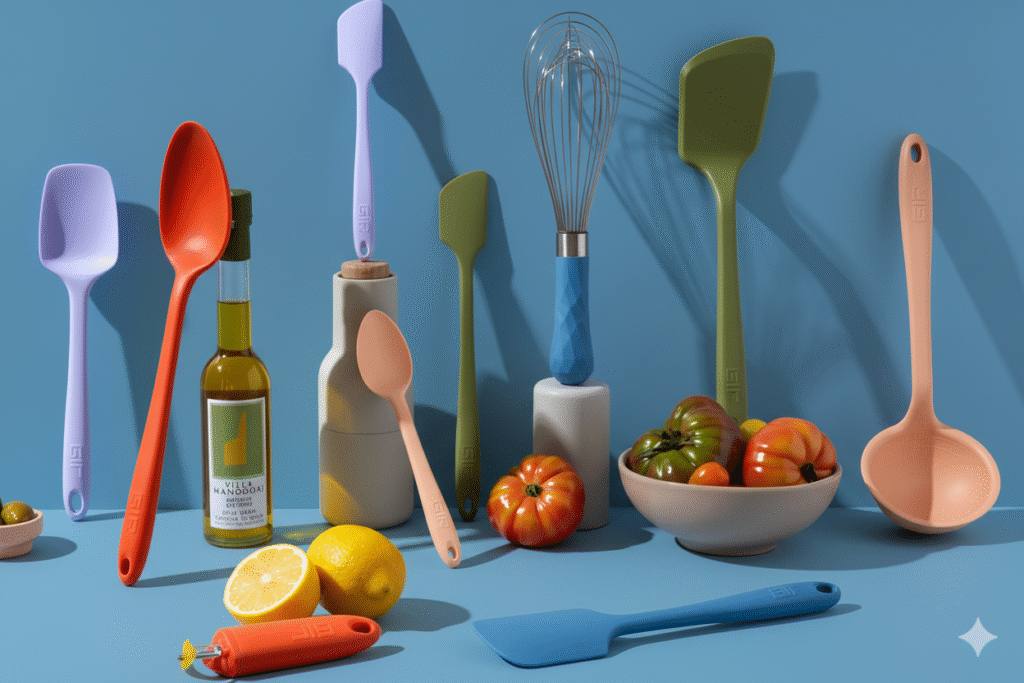
Silicone handles heat up to 500 degrees without melting or leaching. It’s flexible, so tools bend just right for stirring pots. Bamboo offers a natural pick—it’s light, kills germs on its own, and grows fast for the planet.
Check labels for certifications like NSF for purity. Skip soft aluminum with tomatoes or citrus; it can let metal taste in. Hard maple wood works great too, as it resists water and stays firm.
These materials last for years if you care for them. They cut waste and keep your budget steady over time.
Common Hazards to Avoid in Kitchen Tools
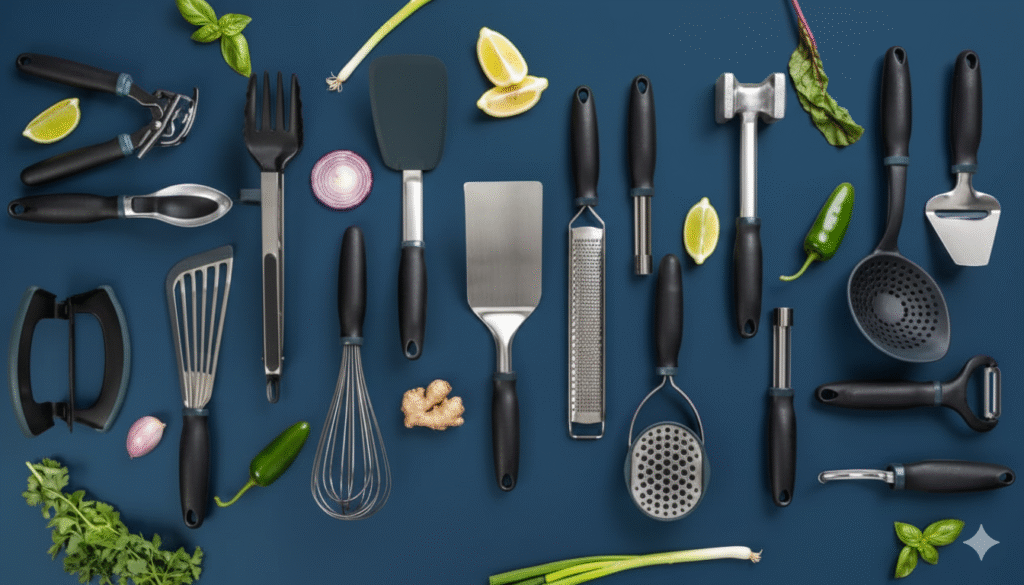
Cheap plastics break down in hot oil, releasing BPA that messes with hormones. We’ve seen recalls on those—stick to heat-safe ones rated over 400 degrees. Wood can trap bacteria if you skip cleaning, turning a simple spoon into a germ hideout.
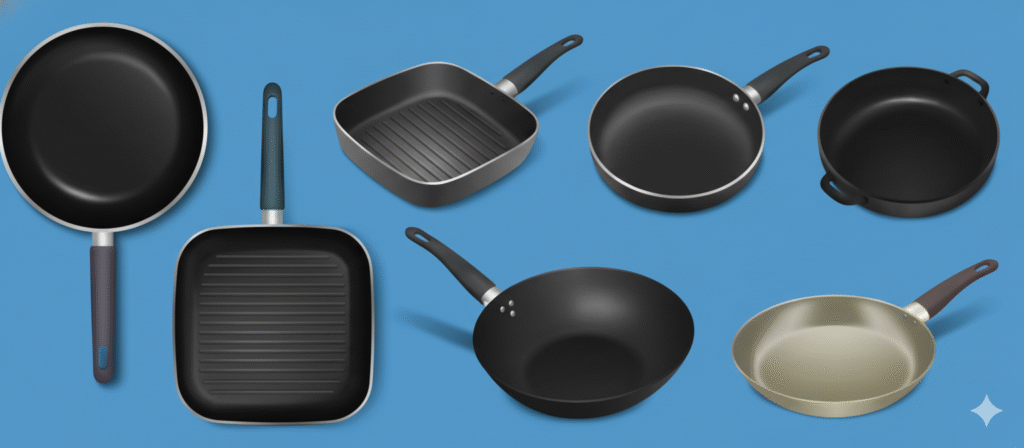
Melamine dishes crack under stove heat, per FDA warnings, so use them only for cold stuff. Non-stick coatings scratch easily with metal, flaking into bits. Always pair tools with your pans.
Spot hazards by feel: if it warps or smells odd when hot, toss it. Real cooks know a quick check saves health headaches later.
Benefits of Investing in Quality Utensils
Top gear means less chemical worry, so your body thanks you with steady energy. Ergonomic shapes fit your hand, cutting slips that lead to burns. Eco picks like bamboo mean fewer trees are cut down.
They speed up tasks too—think tongs that grab without dropping. A basic set of five to seven covers most jobs without a drawer mess. You’ll cook more often, enjoying fresh meals.
Long-term, they save cash by not breaking fast. Your kitchen feels pro-level, boosting that home chef vibe.
Top 10 Best and Safe Cooking Utensils: Our Picks
These 10 stand out for safety and everyday ease. We chose based on tests, user reviews, and expert nods. Each fights common issues like scratches or leaks.
They mix materials for full coverage—from prep to serve. Brands like OXO shine for comfy grips. Let’s dive in.
1. Stainless Steel Spatula
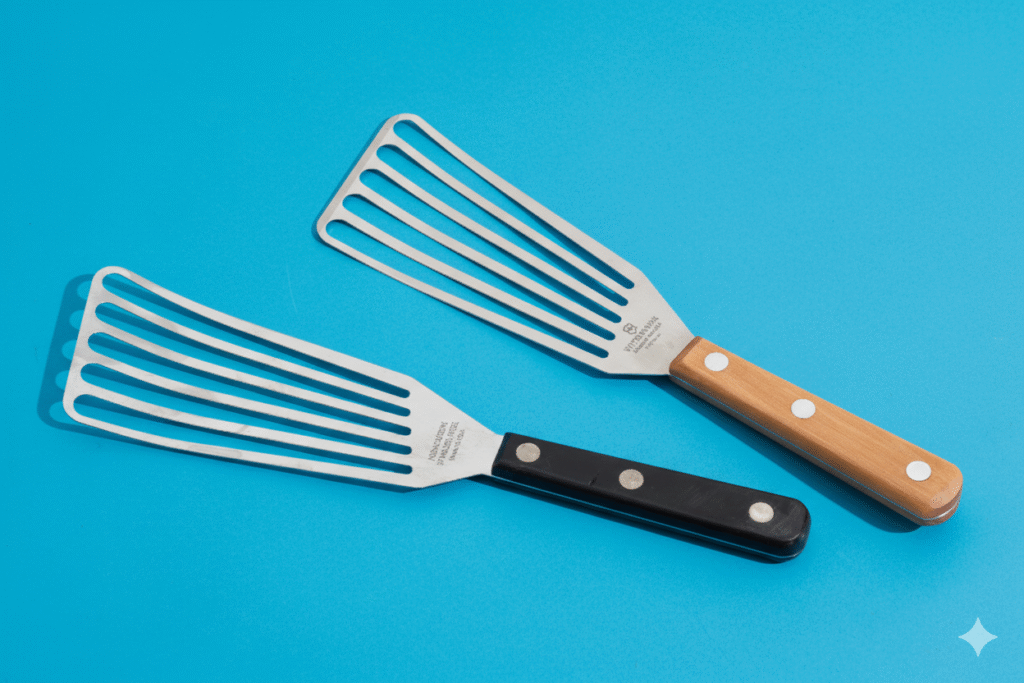
This tool flips burgers or eggs without gouging pans. Its smooth edge slides easily on non-stick surfaces. One-piece builds keep germs out of cracks.
| pros | cos |
| Won’t rust, heats evenly, lasts forever | Cons: Gets hot if not handled right—use mitts. Safe because it doesn’t leach into food, even with acids. |
Pick OXO’s version for a soft grip. Great for the best stainless steel spatula for daily flips. Buy from kitchen stores or online for under $15.
2. Silicone-Tipped Tongs
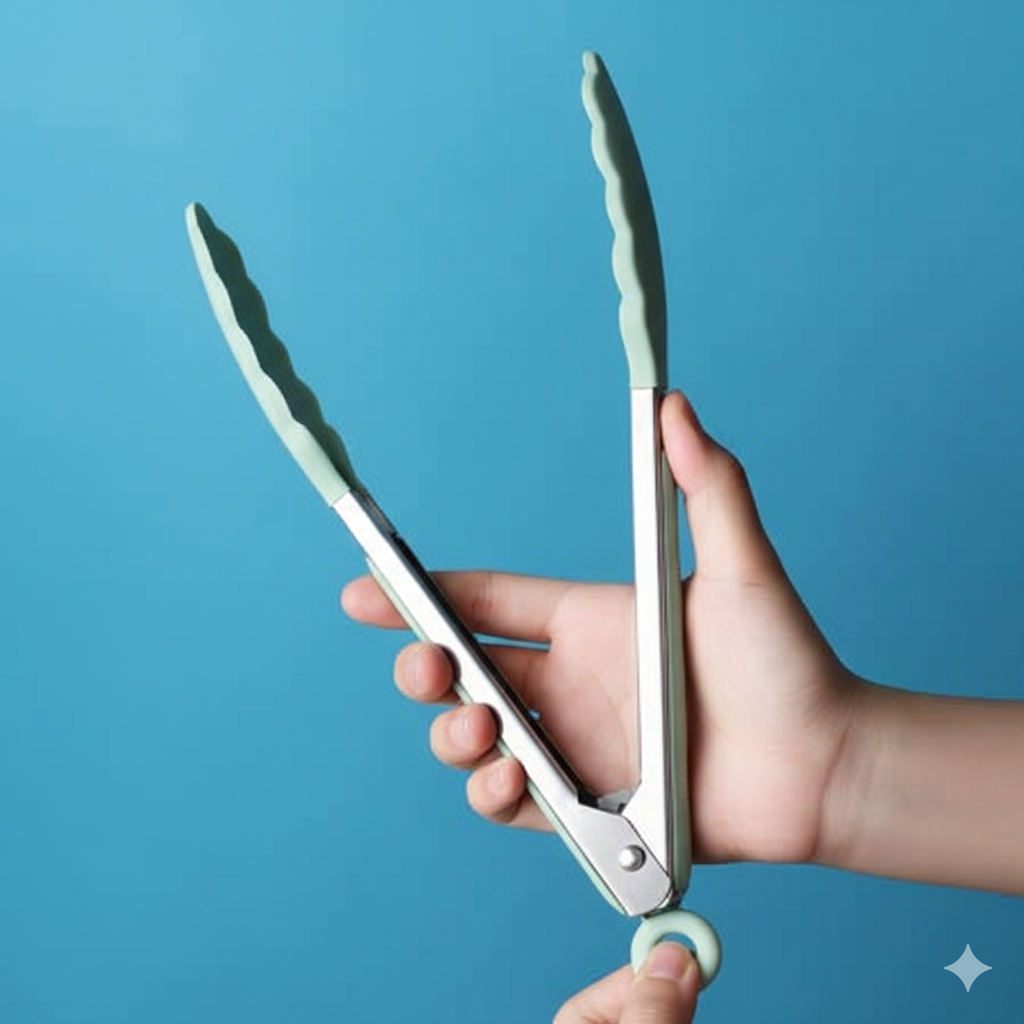
Grab meats or veggies with a firm hold up to 500 degrees. The tips won’t scratch, and they lock shut for tidy drawers. Perfect for grilling or salads.
| pros | cos |
| Lightweight, no-slip silicone ends. | Tips wear if you yank hard. |
Look for locking ones from brands like Rosle. Ideal as the best silicone-tipped tongs for safe gripping. Snag a set for $20—versatile for pasta too.
3. Bamboo Cutting Board
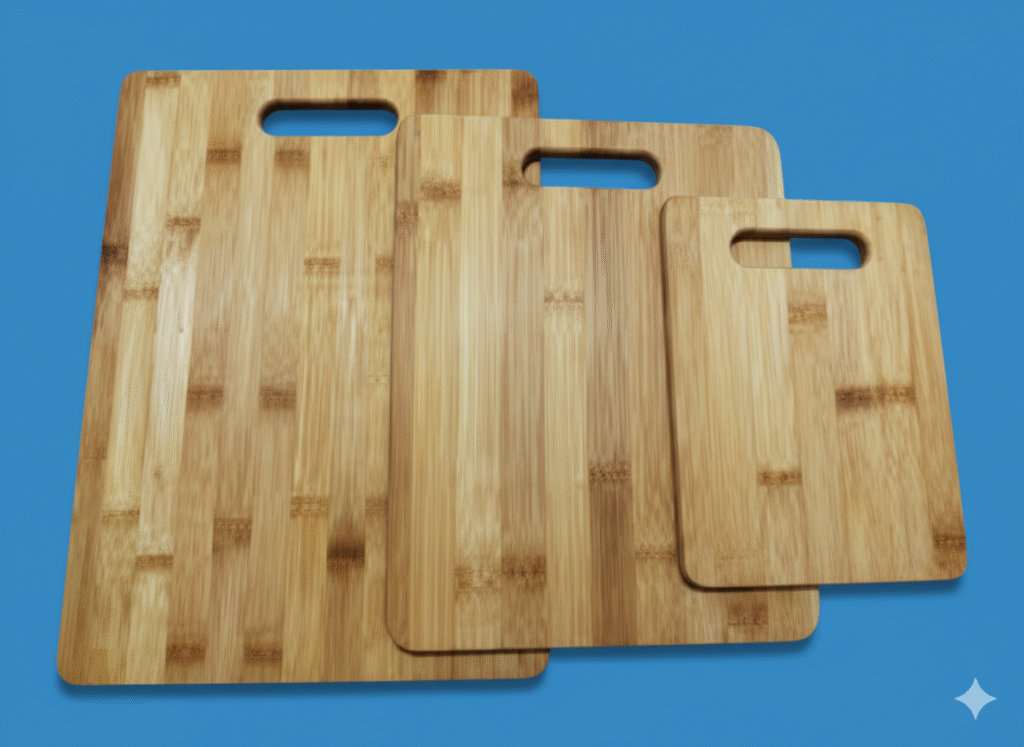
Slice safely on this natural surface that fights bacteria. It’s gentle on knives and easy to oil for a crack-free life. Renews quickly, so it’s earth-friendly.
| pros | cos |
| Absorbs little odor, cuts clean. | Needs oil every month. Antibacterial traits make it safer than plastic boards. |
John Boos offers thick ones that last. Top bamboo cutting board for safe prep. Get it for $25; pair with a smaller one for meats.
4. Cast Iron Skillet
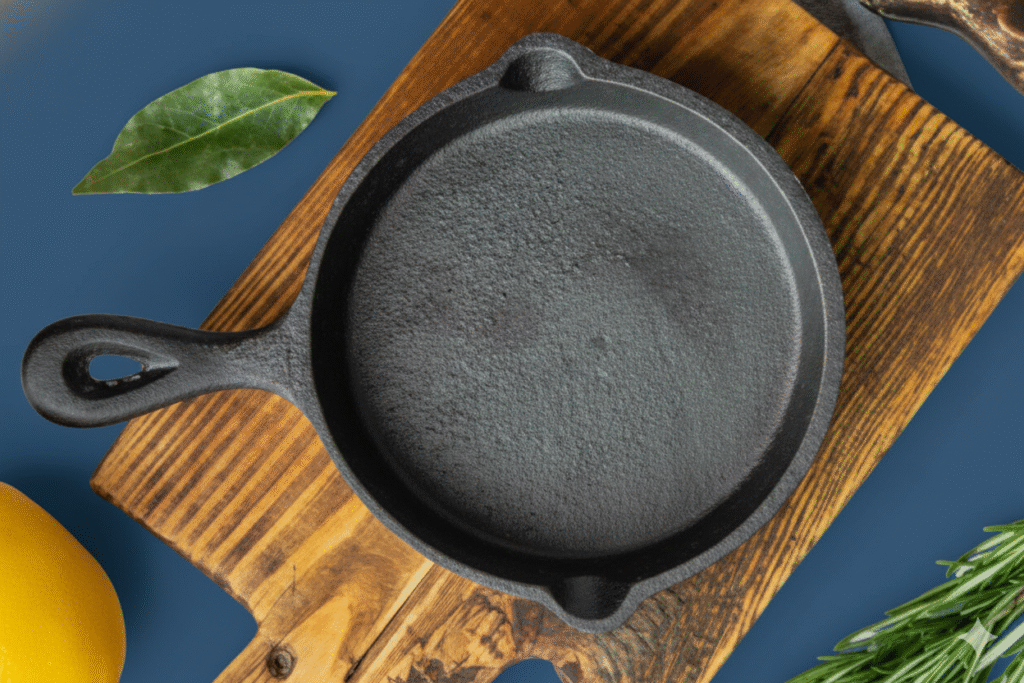
Sear steaks with a natural non-stick after seasoning. It holds heat steady for even cooking. Safe if you skip soap to keep the coat.
| pros | cos |
| Builds flavor over time, super tough. | Heavy, takes practice to season. No chemicals—just iron that boosts nutrition a bit. |
Lodge makes reliable 10-inch ones. Best cast iron skillet for safe, hot frying. Around $20; use on the stove or fire.
5. Silicone Whisk
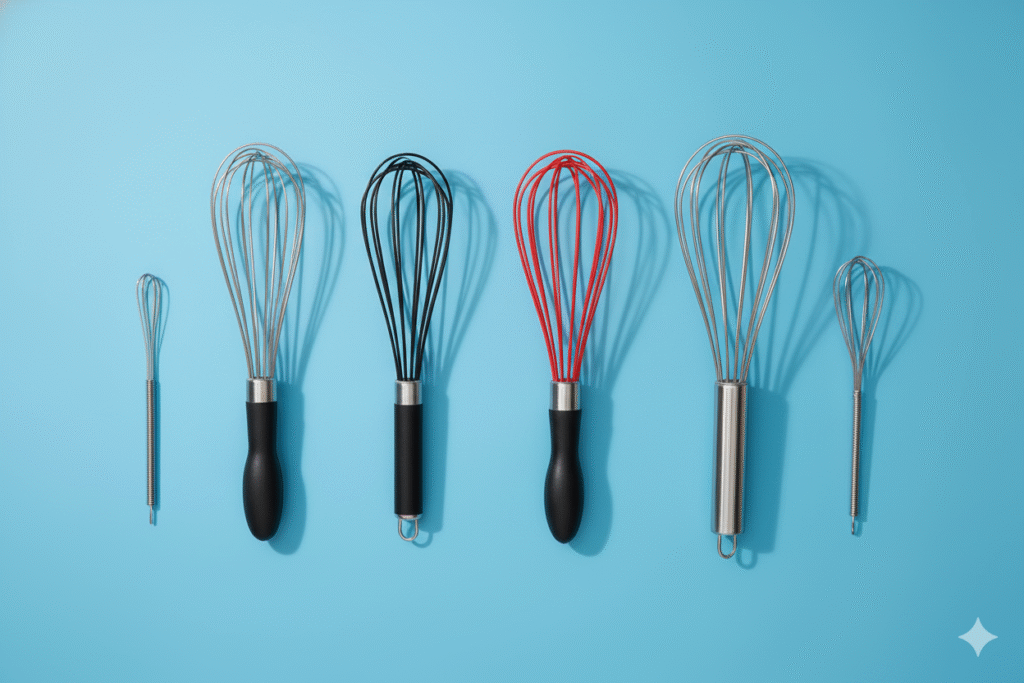
Beat eggs or creams without dinging the pot sides. Bends to reach corners, mixing fast. Food-grade stuff ensures no fillers sneak in.
| pros | cos |
| Heat-safe, flexible wires. | Stains from berries. Won’t scratch glass or enamel. |
OXO’s Good Grips model fits hands well. Best silicone whisk for non-stick pots. Costs $10; store flat to avoid bends.
6. Wooden Spoon Set
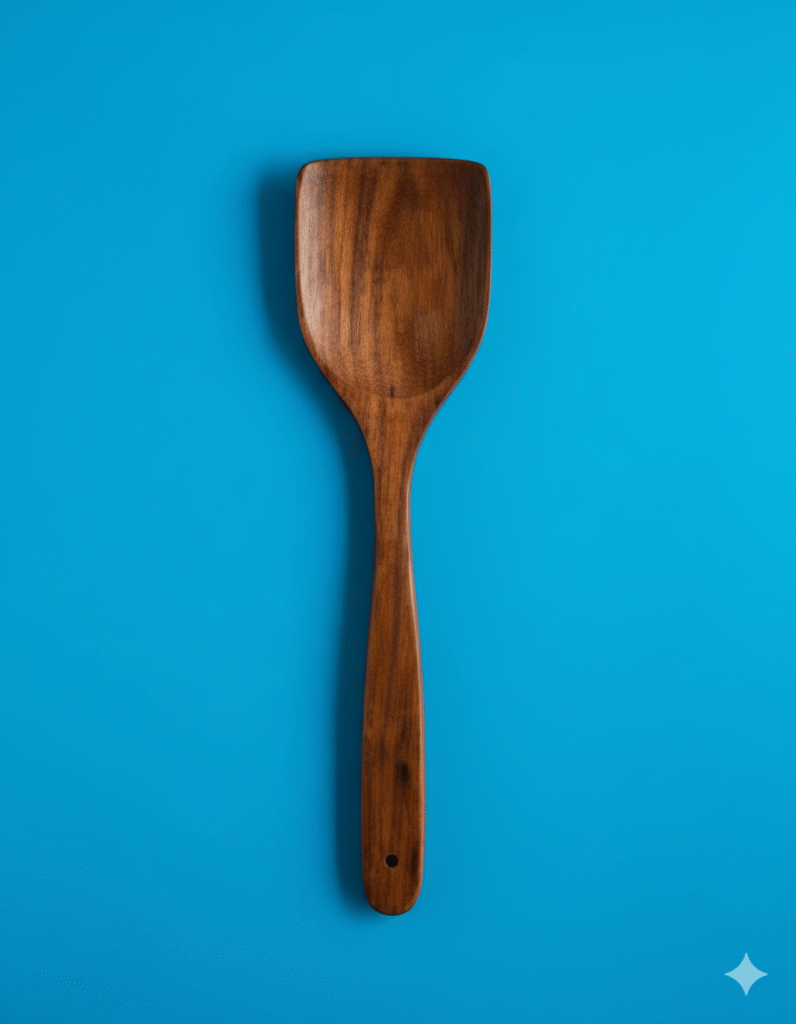
Stir soups gently without metal clangs. Wood insulates heat, so handles stay cool. Hardwood like maple fights wear best.
| pros | cos |
| Won’t conduct heat, kind to enamel. | Soak not—warps easily. Sanitize after raw meats for safety. |
A set from bamboo or beech runs $15. Classic wooden spoon set for safe stirring. Sanitize with vinegar weekly.
7. Stainless Steel Measuring Cups and Spoons
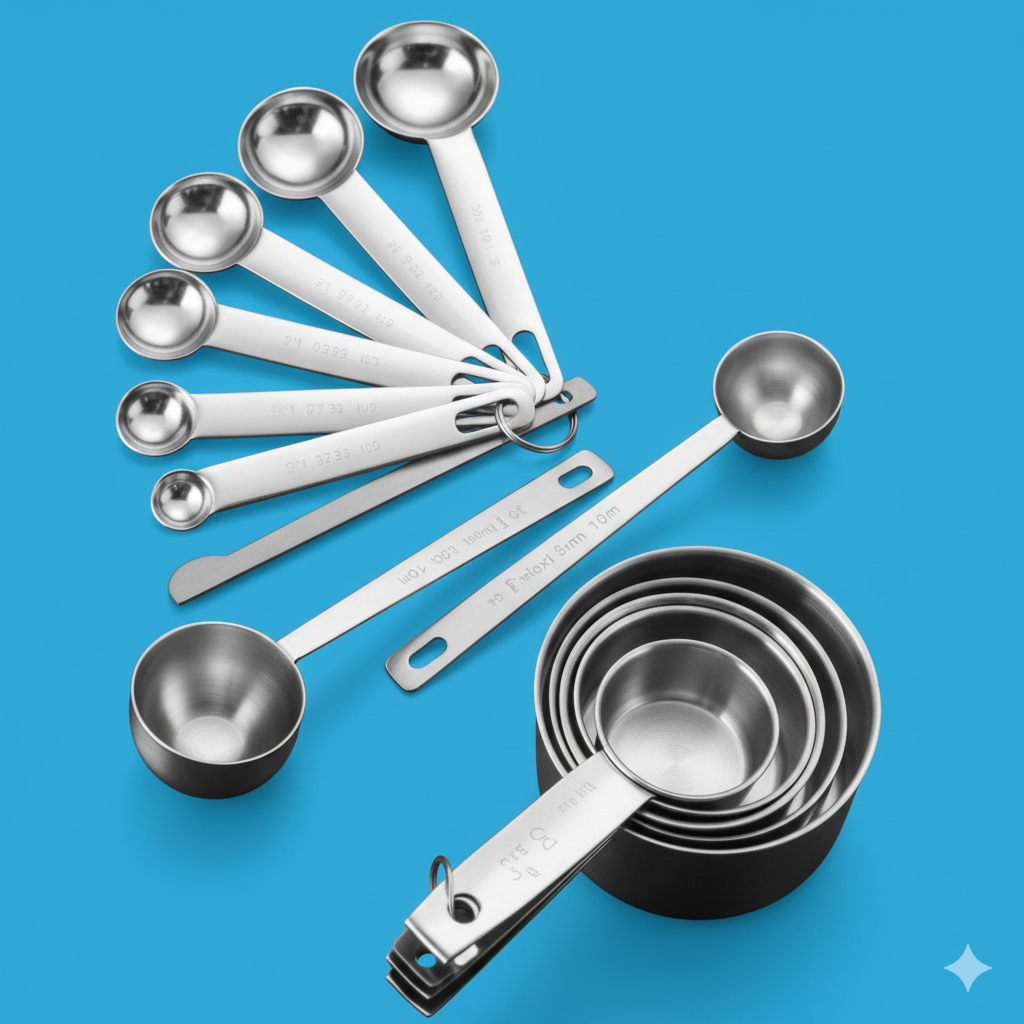
Scoop exact amounts for baking wins. No rust means they stack neatly in drawers. Magnetic ones snap together for quick grabs.
| pros | cos |
| Clear marks, dishwasher safe. | Can dent if dropped. Precise for recipes, no plastic taste. |
Joseph Joseph has stackable sets. Best stainless steel measuring tools for accuracy. $20 for a full kit.
8. Silicone Oven Mitts
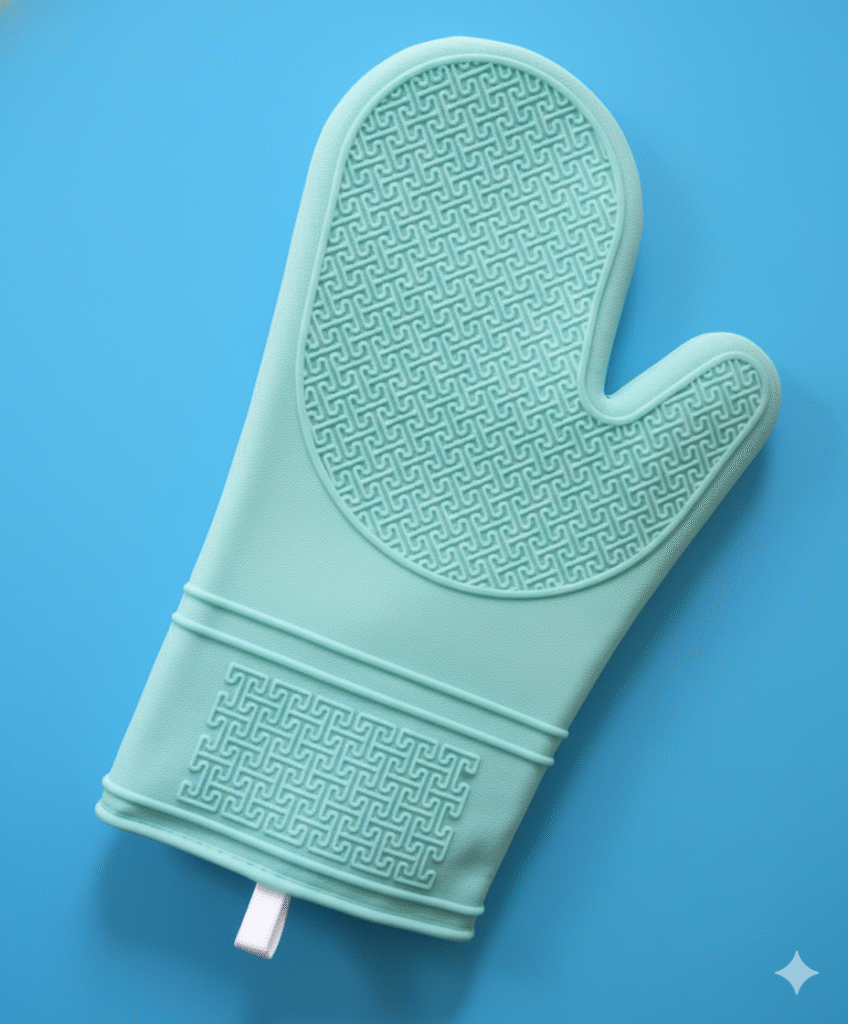
Pull hot trays with grips that can withstand temperatures up to 480 degrees. Thick layers block burns, and they fold small. Add liners for oven peaks.
| pros | cos |
| Wash easily, flexible fit. | Slip on wet hands sometimes. Heat-proof keeps skin safe. |
Silicone ones from KitchenAid shine. Top silicone oven mitts for safe baking. Pair for $15; test grip before buying.
9. Bamboo Utensil Organizer
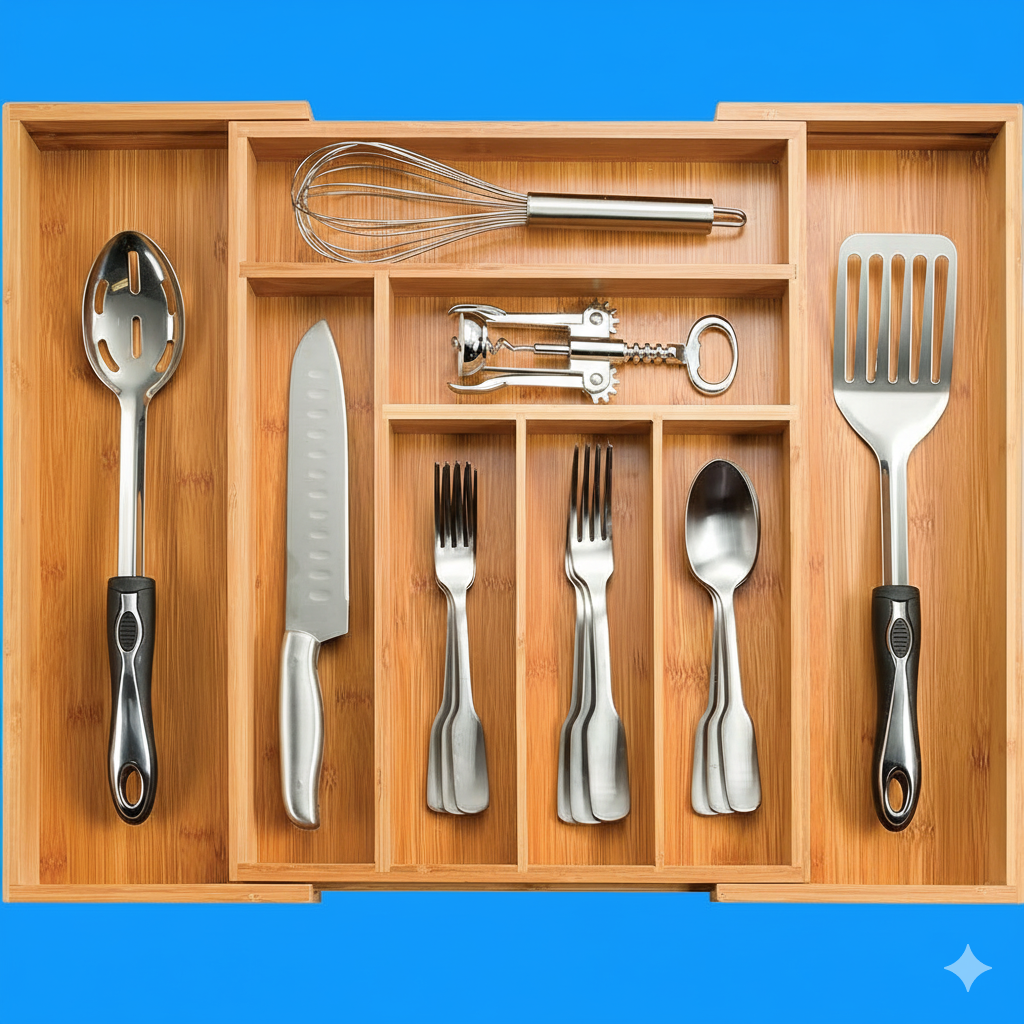
Sort spoons and forks to cut counter clutter. Bamboo breathes, so no moist mold spots. Lowers germ spread by keeping things apart.
| pros | cos |
| Natural look, holds 10-plus tools. | Wipe often. Works with racks for dry storage. |
Simple bamboo trays cost $12. Best bamboo organizer for safe kitchens. Place near the sink for flow.
10. Ceramic Knife Set
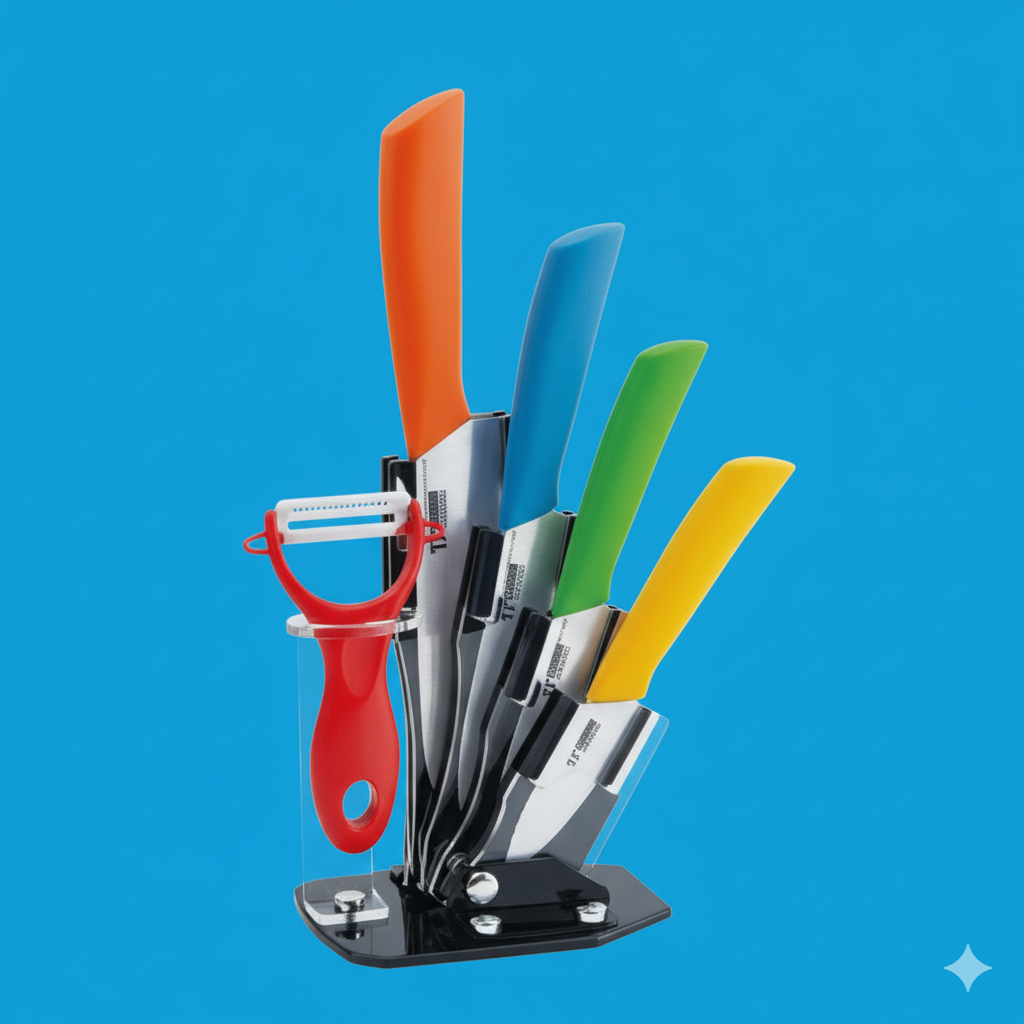
Slice veggies sharply without rust worries. Stays keen longer than steel, cutting effort. Sheaths protect edges in drawers.
| pros | cos |
| Light, colorful handles. | Chips if you pry. No metal taste, safe for fruits. |
Kyocera sets are top-rated. The best ceramic knife set for precise and safe cuts. $30 for three; hand-wash gently.
How to Choose and Maintain Safe Cooking Utensils
Picking the right ones starts with your cooking style. Match to pans—silicone for non-stick, steel for cast iron. Read reviews for heat tests from real folks.
Care keeps them going strong. Hand-wash wood to skip warps; air-dry all. This stops bacteria and extends life.
Budget upgrades? Grab multi-packs for value. Start with tongs and spatulas—they do most jobs.
Criteria for Selecting the Right Utensils
Fit to your gear: no sharp metal on coated pans. Check heat ratings over 400 degrees for stoves. Weight matters—light for long stirs.
User tests in reviews spot fakes. Brands with warranties mean trust. Think versatile: one tool for flip and serve.
Test in stores for grip feel. This cuts accidents and boosts joy in cooking.
Daily Cleaning and Storage Best Practices
Wash right after use—hot soapy water for most. Skip dishwasher on wood or silicone; it fades them fast. Dry full to dodge mold.
Store in open spots or breathable bags. Hang tongs to save space. Group by task: prep here, cook there.
This routine keeps tools clean and ready. You’ll notice fewer replacements needed.
Upgrading Your Kitchen on a Budget
Hunt starter kits under $50—they bundle basics. Prioritize multi-use items like tongs for grilling or salad. Shop sales at big stores.
Add one piece monthly to spread the cost. Focus on needs: cutting board first if yours is worn. Value beats cheap buys that break.
You’ll build a safe set without stress. Meals taste better with reliable help.
Health and Safety Tips for Using Cooking Utensils
Safe use ties to better wellness. Cut contamination by cleaning between steps. Ergonomic picks lower the strain on wrists.
Replace when signs show—cracks mean germs. Follow USDA tips: wash hands too. This full approach guards your table.
Think of tools as team players for healthy eats.
Preventing Food Contamination
Color-code: red for meats, green for veggies. This stops cross-mess. Wash tools in hot water after raw stuff.
Separate boards for fish or eggs. Quick rinse between cuts keeps things pure. USDA says this slashes illness risk by half.
Simple habits make big health wins.
Ergonomic Choices for Safe Handling
Pick fat handles to ease grip strain. Lightweight cuts slipping hot pans. Test how it feels—comfy means safer.
Soft rubber adds traction. Long handles reach deep pots without splashes. Your back thanks shorter reaches too.
Comfort leads to fewer oops moments.
When to Replace Worn Utensils
Watch for silicone cracks—they let heat in bad ways. Dull knives slip more, raising cut risks. Wood splinters? Out they go.
Set a yearly check for heavy users. Chips in the ceramic mean bacteria spots. Fresh tools keep safety high.
Don’t wait—swap for peace.
Conclusion
Switching to the 10 best and safest cooking utensils upgrades your meals big time. From stainless steel spatulas that flip clean to silicone tools that grip sure, these picks deliver reliability every day.
Key points: Go for non-toxic stuff like bamboo and steel; clean and store smart for long life; begin with basics to grow your kit. Check your drawers now—ditch the risky ones and grab upgrades. Your cooking will feel safer, and your family will enjoy it more. Start today for tastier, worry-free dinners.
Read more: 10 Best Anti-Slip Bathroom Mats buying guide
1. Are silicone cooking utensils really safe?
Yes, as long as they are made from food-grade or platinum-grade silicone. They’re non-toxic, heat-resistant, and safe for non-stick cookware.
2. Which utensils are best for non-stick cookware?
Silicone, nylon, or wooden utensils are ideal since they don’t scratch or damage the coating.
3. How often should I replace cooking utensils?
Replace utensils every 1–2 years, or sooner if you notice cracks, melting, or discoloration
4. Are wooden utensils hygienic?
Yes, natural woods like teak and olive are naturally antibacterial. Just make sure they’re cleaned and dried properly after each use.
5. Can stainless steel utensils damage cookware?
Yes, stainless steel can scratch non-stick surfaces, so use it with stainless steel or cast-iron cookware instead.