Best oil for stainless steel pans is the key to unlocking smooth, non-stick cooking and achieving professional-level results at home. Choosing the right oil not only prevents food from sticking but also enhances flavor, protects your cookware, and ensures even heat distribution. Whether you’re searing, sautéing, or frying, using the correct oil can make a significant difference in your cooking experience. In this guide, we’ll explore the top oils that work best with stainless steel pans and how to use them effectively.
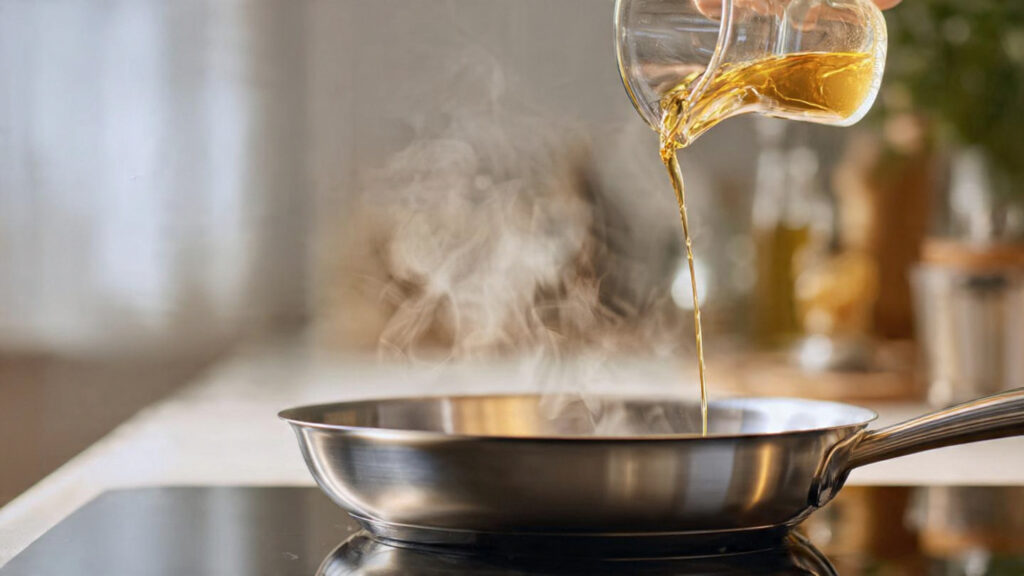
In this guide, you’ll discover the best oils for stainless steel pans, what to avoid, and how to use them properly.
Table of Contents
- Why Oil Choice Defines the Best Oil for Stainless Steel Pans
- Smoke Points and Why They Matter More Than You Think
- Factors Beyond Smoke Point: Flavor, Health, Price
- My Top Recommendations for the Best Oil for Stainless Steel Pans
- In-Depth Looks at Each Oil
- Side-by-Side Comparison
- My Foolproof Technique for Using Oil in Stainless
- Mistakes That Cost Me Money and Meals
- FAQ: Answers to What People Actually Ask
- Final Thoughts and My Go-To Pick
Why Oil Choice Defines the Best Oil for Stainless Steel Pans
Stainless steel pans don’t come with a non-stick coating. That’s the beauty and the curse. No Teflon flaking off into your food, but also no forgiveness if you rush things. The metal’s surface has tiny pores. When cold, food proteins bond right in. Heat it properly, add the right oil, and those pores fill with a thin layer that lets things slide.
The wrong oil? It smokes, breaks down, leaves bitter flavors, and sometimes creates that gummy residue that’s impossible to scrub off without Bar Keepers Friend and a prayer. I’ve seen it happen. Serious Eats and America’s Test Kitchen hammer this home in their skillet tests: high smoke point oils prevent burning and promote even browning. Low ones like unrefined olive or butter? They turn acrid fast above 350-375°F.
In my kitchen, the shift happened when I stopped grabbing whatever was closest and started matching oil to task. High-heat sear? Something north of 450°F smoke point. Sautéing veggies? A neutral mid-range works. The best oil for stainless steel pans isn’t universal—it’s contextual—but a few stand out consistently.
Smoke Points and Why They Matter More Than You Think
Smoke point is the temperature where oil starts breaking down, producing smoke, free radicals, and off-flavors. For stainless, where you often preheat empty and go medium-high to high, you want 400°F+ minimum.
From reliable charts (Wikipedia’s smoke point template, WebstaurantStore, vomfassusa):
- Refined Avocado: 480-520°F
- Safflower (refined): 450-500°F
- Peanut (refined): 450°F
- Sunflower (refined): 450°F
- Soybean/Canola: 400-475°F
- Grapeseed: 390-420°F (varies by brand)
- Extra Virgin Olive: 325-410°F (too low for searing)
Avocado tops the list. I once cranked a pan for steak at near-max—avocado held without a whiff of smoke. Grapeseed? Solid but edges closer to smoking if you push it. Canola? Reliable budget option but not exciting.
Factors Beyond Smoke Point: Flavor, Health, Price
Smoke point gets the headlines, but flavor neutrality matters for versatility. You don’t want nutty peanut oil overpowering delicate fish. Health-wise, monounsaturated fats (avocado) beat polyunsaturated (grapeseed, sunflower) for high-heat stability—less oxidation.
Price hits home too. In India, imported avocado oil can sting at ₹800-1500 for 500ml. Grapeseed or canola? Often half that. Availability counts—Amazon delivers fast, but local stores stock peanut and sunflower easily.
My Top Recommendations for the Best Oil for Stainless Steel Pans
After burning through bottles (literally sometimes), these are the ones I reach for. I focused on 8 solid options, with my top 3 getting extra love.
- Refined Avocado Oil — Still my best oil for stainless steel pans overall
- Grapeseed Oil
- Peanut Oil
- Canola Oil
- Refined Sunflower Oil
- Refined Safflower Oil
- Vegetable Oil (soy-based)
- Ghee (for flavor-forward medium heat)
In-Depth Looks at Each Oil
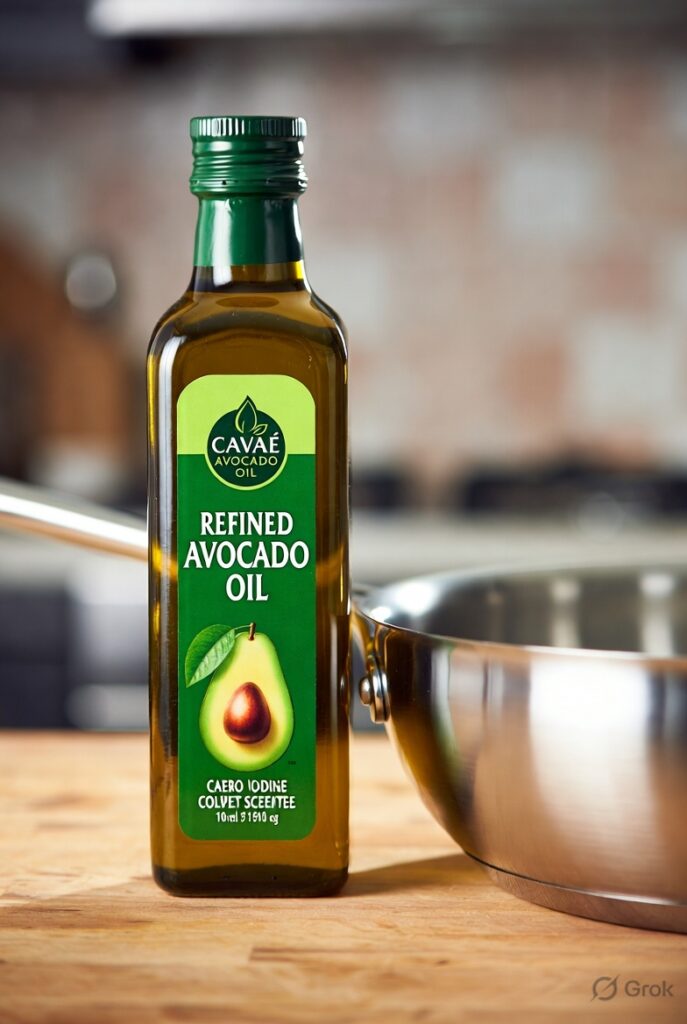
1. Refined Avocado Oil
Smoke point: 480-520°F. Flavor: Mild, buttery. Price range: ₹1000-2000 for 500ml-1L on Amazon.
This is the one I rave about. It handles screaming-hot pans without flinching. Sear a masala-rubbed chicken thigh? Gorgeous crust, no bitter notes. Healthy too—high in oleic acid, vitamin E. Downside? Cost. If you’re cooking daily for a family, it adds up. But for weekend steaks or when I want reliability, nothing beats it.
I remember my first bottle—Chosen Foods or Better Body Foods. Pan preheated, oil in, shimmer, then fish fillets slid like they were on ice. No sticking, easy release. Worth it for high-heat fans.
Check current prices on Amazon: check out from amazon
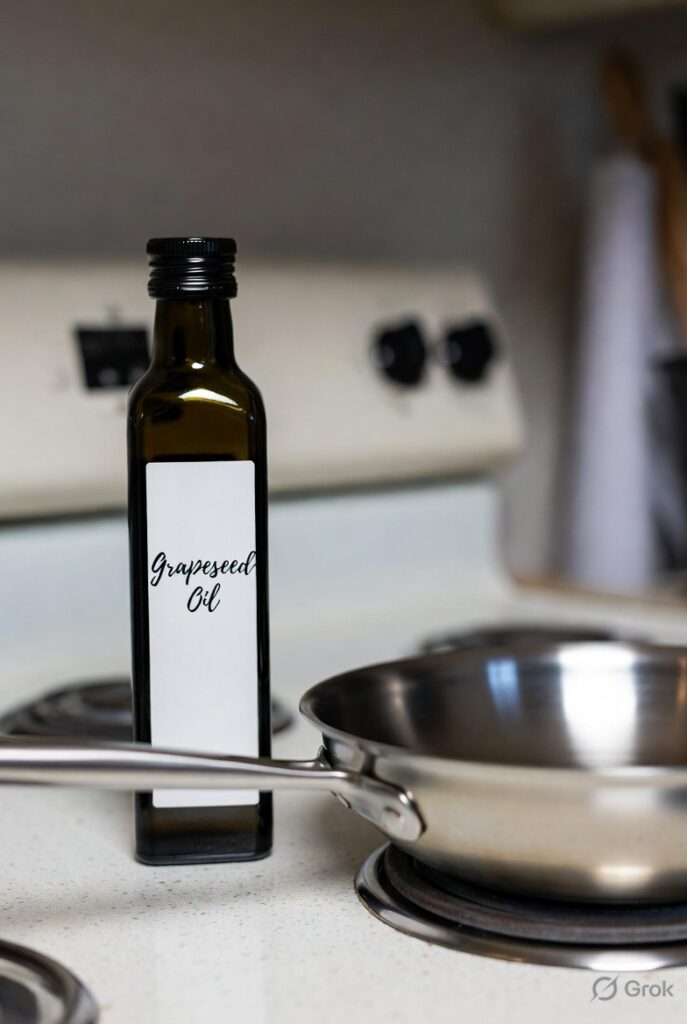
2. Grapeseed Oil
Smoke point: 390-420°F. Flavor: Very neutral. Price: ₹600-1200 for 1L.
Affordable high-heat workhorse. Light texture coats evenly. Great for stir-fries or roasting veggies. Stores well if kept cool. Con: Shelf life shorter than avocado; goes rancid if forgotten in the cabinet.
Made In and Caraway recommend it often. I’ve used it for everyday dal tadka or paneer—neutral enough not to fight spices.
3. Peanut Oil
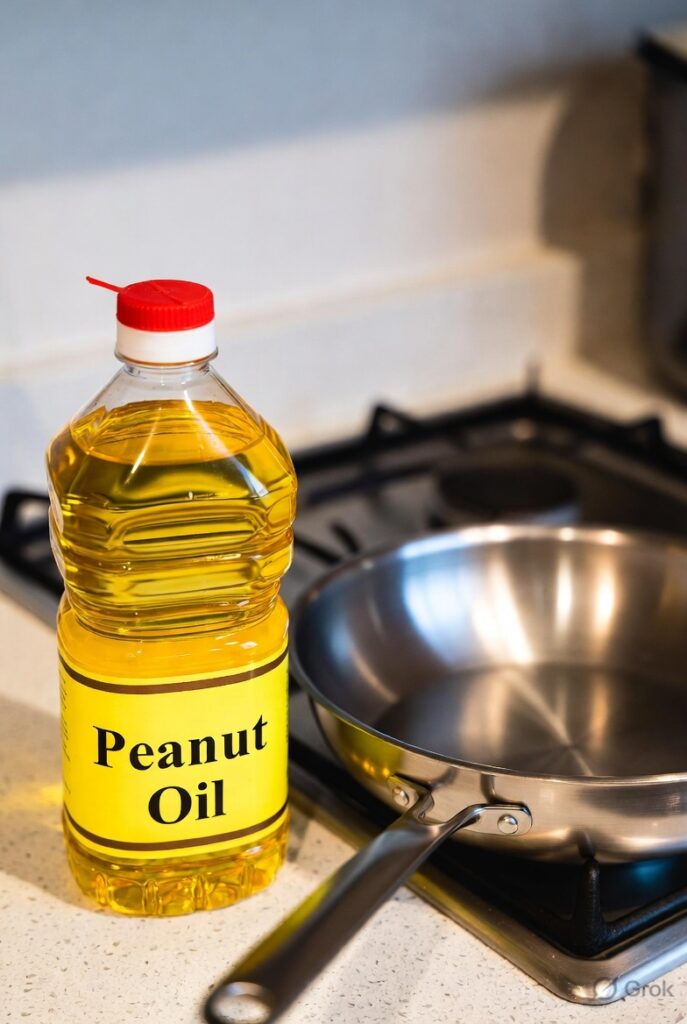
Smoke point: 450°F. Flavor: Mild nutty. Price: ₹500-1000 for 1L.
Asian stir-fry king. Stable at high heat, cheap in bulk. In Kolkata markets, groundnut oil (cold-pressed versions) is common and works similarly. Allergy warning obvious. Flavor can sneak in fine for savory, not subtle dishes.
I use it for deep-frying pakoras in my stainless kadhai insert. Crispy, no smoke issues.
Read more : Best Cheap Washing Machine
4. Canola Oil
Smoke point: 400-475°F. Flavor: Neutral. Price: ₹300-600.
Budget champ. Everywhere, versatile. Some processing concerns (GMO, hexane), but refined versions perform well for medium-high.
Good starter oil if you’re new to stainless.
Amazon: Generic canola bottles.
5. Refined Sunflower Oil
Smoke point: 450°F. Flavor: Neutral. Price: ₹400-800.
Vitamin E bonus. TikTok and some pros push clear versions for non-stick magic. Oxidizes if overheated repeatedly, but fine for normal use.
360Cookware lists it high. I’ve had success with everyday sautéing.
Amazon: “Sunflower Oil refined”.
6. Refined Safflower Oil
Smoke point: 450-500°F. Flavor: Neutral. Price: ₹700-1200.
High smoke beast, but harder to find consistently. Great if available.
7. Vegetable Oil (Soybean-based)
Smoke point: ~450°F. Flavor: Neutral. Price: Cheap.
Reliable fallback. Not glamorous, gets the job done.
8. Ghee/Clarified Butter
Smoke point: 450°F. Flavor: Rich, nutty. Price: Varies.
Medium heat only—adds incredible taste to eggs or sabzi. Mix with neutral oil for higher heat.
Side-by-Side Comparison
| Oil | Smoke Point (°F) | Flavor | Approx. Price (500ml-1L) | Best For | Main Pro | Main Con |
|---|---|---|---|---|---|---|
| Avocado (refined) | 480-520 | Mild | ₹1000-2000 | High-heat searing | Top stability, healthy | Expensive |
| Grapeseed | 390-420 | Neutral | ₹600-1200 | Everyday use | Affordable, light | Shorter shelf life |
| Peanut | 450 | Mild nutty | ₹500-1000 | Stir-fries, frying | Stable, bulk cheap | Allergy risk |
| Canola | 400-475 | Neutral | ₹300-600 | Budget daily | Super available | Processing debates |
| Sunflower (ref.) | 450 | Neutral | ₹400-800 | General high-heat | Vitamin E | Can oxidize |
My Foolproof Technique for Using Oil in Stainless
- Preheat pan dry on medium-high 2-4 minutes.
- Flick water drops—if they bead and dance, ready. If they sizzle away, too hot; if they sit, too cool.
- Add oil—thin layer, swirl.
- Wait for shimmer (not smoke!).
- Food in. Don’t overcrowd.
I once skipped step 2—eggs stuck bad. Now it’s muscle memory.
Mistakes That Cost Me Money and Meals
- Using EVOO for high heat → bitter smoke everywhere.
- Not enough oil → dry spots stick.
- Cooking spray → builds gummy layer over time.
- Adding food too soon → instant bond.
- Overheating low-smoke oils repeatedly.
FAQ: Answers to What People Actually Ask
What’s truly the best oil for stainless steel pans?
Refined avocado for performance; grapeseed or peanut for value.
Olive oil okay?
Refined or “light” for medium-high. EVOO for low-medium or finishing.
Do stainless pans need seasoning?
Not like cast iron, but thin oil layers over time build patina.
Why still sticking?
Usually pan not hot enough before oil/food.
Budget pick?
Canola or sunflower—effective without breaking bank.
Avocado worth the hype?
For frequent high-heat, yes. Otherwise, no.
Butter in stainless?
Mix with oil for eggs; alone burns easy
Final Thoughts and My Go-To Pick
After all the experiments—some disastrous, some triumphant—refined avocado oil remains my best oil for stainless steel pans. It gives confidence at high heat, clean flavors, and easy cleanup. If budget’s tight, grapeseed or peanut won’t disappoint.
Upgrade your setup—grab a bottle, preheat patiently, and watch your stainless shine. Happy cooking from Kolkata!